Nutrition goals and smarter food logging

You can train hard for weeks and still feel stuck if your nutrition stays vague.
That is exactly why we expanded Nutrition in OpenLift: to give you a clear system you can actually keep using. The goal is not perfect tracking. The goal is better decisions, day after day, with less guesswork.
What this release is built for
Most people do not fail because they do not know what protein is. They fail because they do not have a feedback loop they can sustain.
This update focuses on five things that make nutrition tracking usable in real life:
- Clear nutrition goals
- Logging meals by time of day
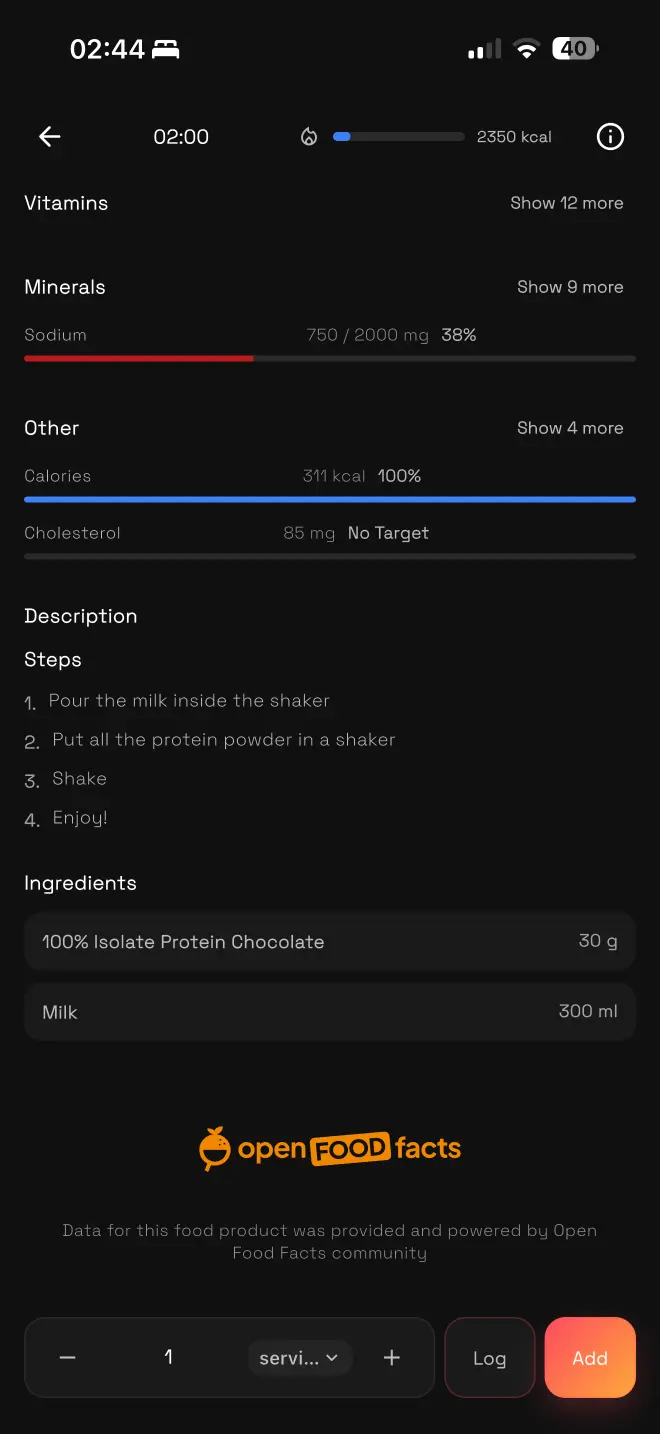
- Automatic calories and macro totals
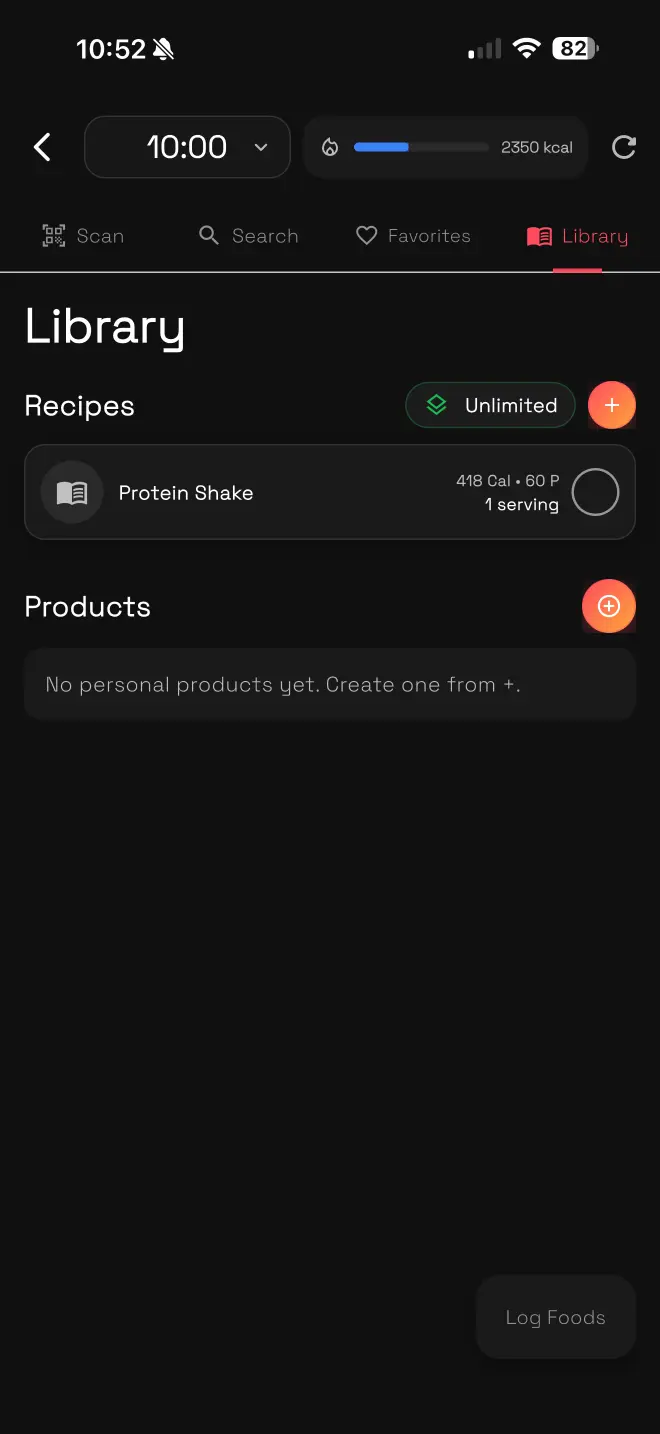
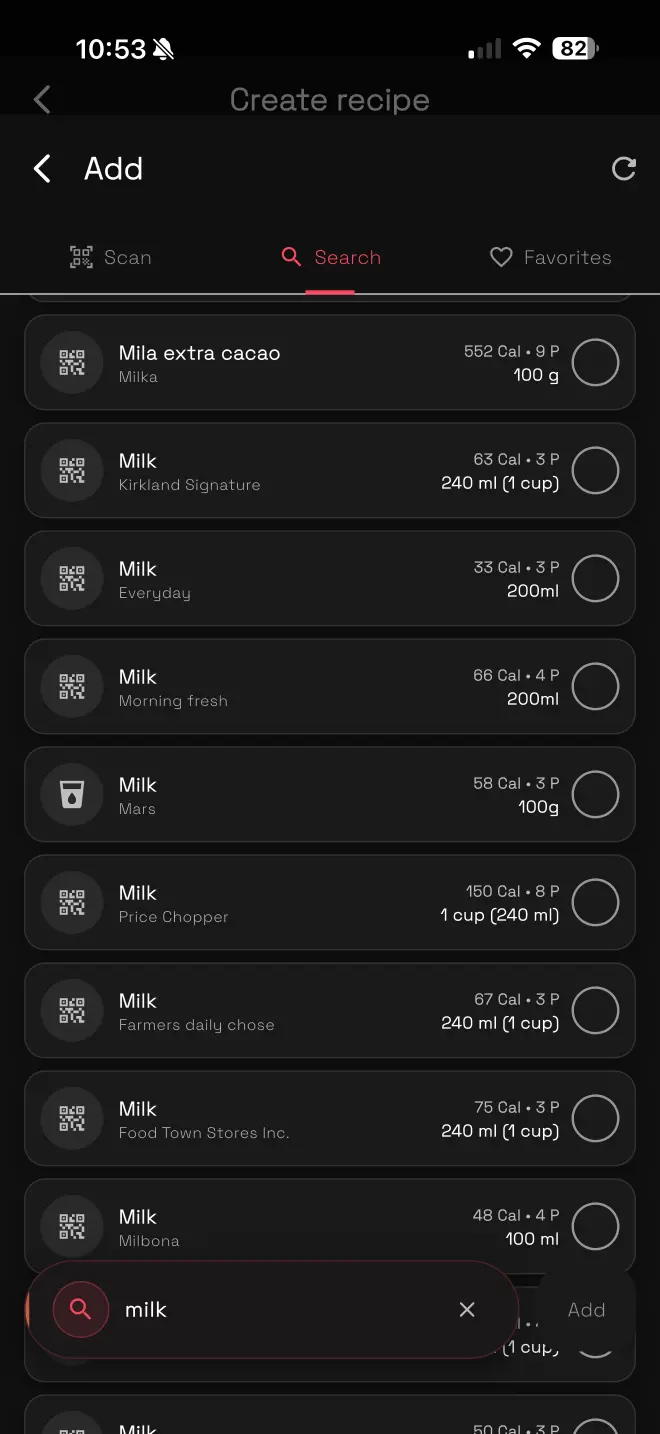
- Recipe-based logging for repeat meals
- A forgiving system that still works on imperfect days
Why consistency beats perfection
Research on dietary self-monitoring keeps showing the same pattern: consistent tracking tends to produce better control of energy intake than unstructured eating.
In practice, this means:
- 70 to 80 percent consistent logging usually beats all-or-nothing tracking.
- One perfect day does not change much.
- Repeatable habits create the results you can keep.
For strength training, this matters even more. Recovery depends on energy intake, protein consistency, and meal rhythm across the week, not just one “clean” day.
1) Nutrition goals: direction before details
With active nutrition goals, your day has context from the start. Instead of asking “Did I eat well?” in a vague way, you can ask “Am I moving toward my target?”
A useful goal setup is:
- Realistic calories
- Clear macro targets
- A timeframe you can sustain for at least 4 to 6 weeks
This reduces emotional reactions to daily fluctuations and helps you make smaller, smarter adjustments.
2) Time-based food logging: see your actual pattern
Logging food by time helps you spot behaviors that are invisible in a single daily total.
Examples:
- Most calories drifting too late in the evening
- Protein missing in key meals
- Workday vs weekend rhythm differences
- Under-fueling before hard training sessions
This is not about obsessive meal timing. It is about understanding your real schedule so you can correct the parts that hurt performance and adherence.
3) Automatic calories and macros: lower friction, better follow-through
Manual nutrition math is one of the fastest ways people abandon tracking.
OpenLift automatically calculates totals from your food entries and recipes. That saves time, reduces errors, and keeps your routine light enough to repeat.
4) Recipes for repeat meals: speed with consistency
Most people rotate the same meals during the week. Recipes make that pattern fast to log and easier to keep accurate.
The result:
- Less repeated data entry
- More consistent history
- Faster adjustments when progress stalls
5) Built for imperfect days
A good nutrition system should survive busy days, missed logs, and rough weeks.
OpenLift is built with that in mind. If a day is messy, you continue. You do not restart from zero.
That mindset is usually the difference between short-term motivation and long-term progress.
A simple 7-step setup (without overwhelm)
- Activate nutrition goals with realistic ranges.
- Log meals when you eat, not only at night.
- Save 3 to 5 frequent meals as recipes.
- Review weekly trends, not single-day noise.
- Align intake rhythm with your training schedule.
- After a bad day, resume immediately.
- Treat tracking as feedback, not self-judgment.
What difference you can expect
Most users notice better clarity within 7 to 14 days. Bigger pattern-level improvements usually show up after 4 to 6 weeks of consistent use.
- Beginners gain structure and confidence.
- Intermediate users replace guesswork with decision-making.
- Coaches and advanced users get cleaner data for better programming and recovery calls.
Final thought
Nutrition does not need to be extreme to be effective.
Clear goals, time-based logging, automatic totals, and reusable recipes give you a system that is accurate enough and sustainable enough to actually work.
If you have a medical condition or specific health concerns, consult a qualified healthcare professional.
Want to see the rest of the updates shipped in this release?
Check the full OpenLift v1.1.0 changelog.